
The Life of Ursus
The Man Who LaughsUrsus’s misanthropic performance gives way to reluctant caregiving, political caution, and grief for the family he built.
increasing Bearing strength in each event
 decreasing
Bearing strength in each eventdecreasingThe Wandering Philosopher
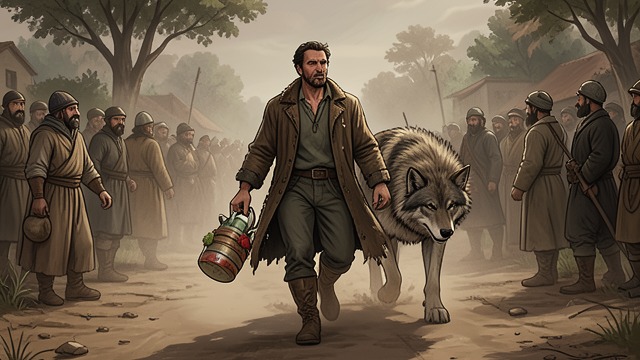
The Wandering Philosopher
A life of contradiction
Ursus calls himself a misanthrope while treating the sick and hungry.
He performs, sells remedies, and survives by speaking to crowds.
His public harshness hides a practical instinct to help.
Homo as companion
He travels with Homo and calls the wolf another self.
Their partnership offers affection without the demands of society.
The solitary philosopher’s life is changed by the children he finds.
A Guardian by Accident
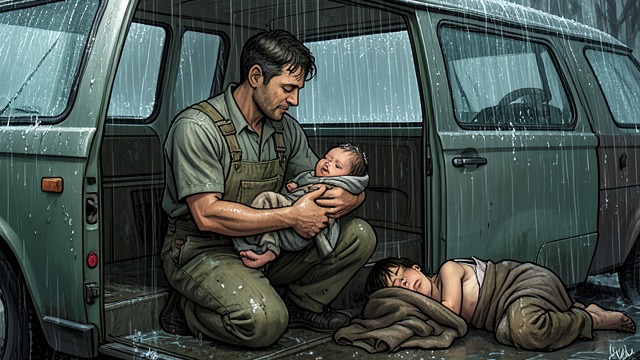
A Guardian by Accident
Two children arrive
Ursus finds the dead mother and the surviving infant after Homo tracks the scent.
He gives shelter to Dea and keeps the already rescued Gwynplaine.
His unwilling household becomes a family through care.
Love concealed by scolding
Ursus feeds and protects both children while claiming irritation.
He teaches Gwynplaine and supports Dea’s singing.
His gruffness is a defense against emotional exposure.
The Cautious Mentor
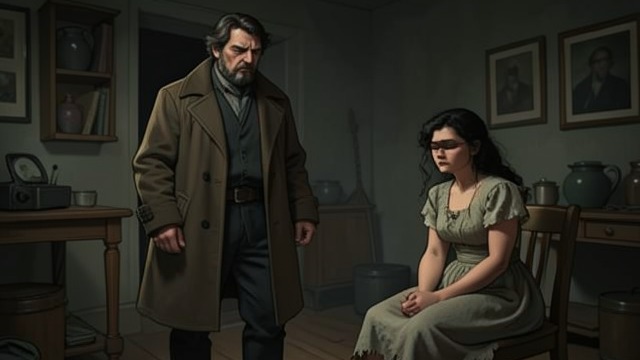
The Cautious Mentor
Warning against power
Ursus urges Gwynplaine to avoid politics and remain satisfied with Dea.
He understands how law and rank threaten wandering performers.
His advice grows from experience rather than indifference.
A dangerous tenderness
He encourages the lovers while pretending to discourage them.
He works to preserve their happiness without admitting his hopes.
His emotional life is bound to the children he raised.
The Wrong Funeral
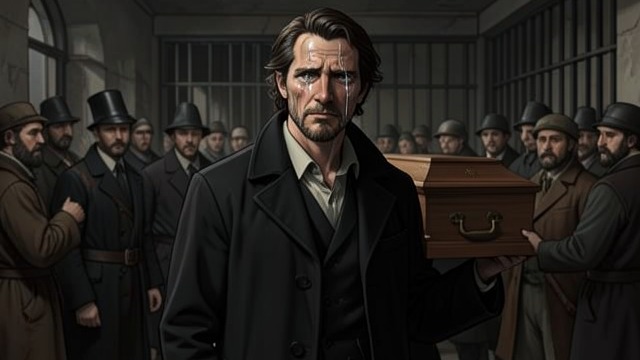
The Wrong Funeral
A procession misread
Ursus sees a burial procession leave Southwark Jail.
He assumes that the coffin contains Gwynplaine.
Grief overwhelms his ordinary restraint and he weeps openly.
Power closes in
The authorities order him and Homo to leave England.
Barkilphedro confirms the false belief that Gwynplaine is dead.
Ursus loses his home, livelihood, and family within hours.
The Last Companion
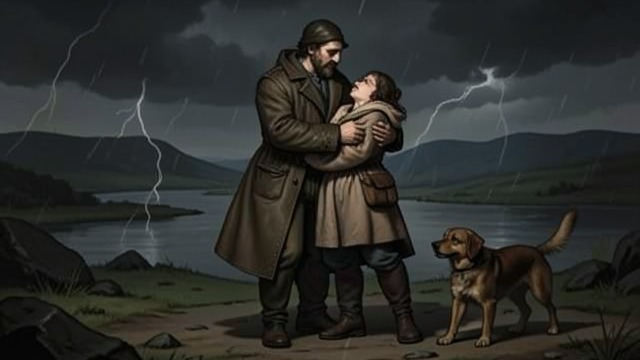
The Last Companion
Flight with Dea
Ursus takes the sick Dea out of England with Homo.
He watches her closely and tries to keep her calm.
His medical knowledge cannot overcome her failing health.
A family restored and lost
Gwynplaine returns, giving Ursus a brief moment of joy.
Dea dies, and Gwynplaine follows her into the river.
Ursus is left with Homo after the family he made disappears.
Before the children arrive
The night of January 29–30, 1690
During the troupe’s early London success
Around midnight after Gwynplaine’s arrest
During the final voyage on the Vograat
